Native plants in a wildlife garden: what they add
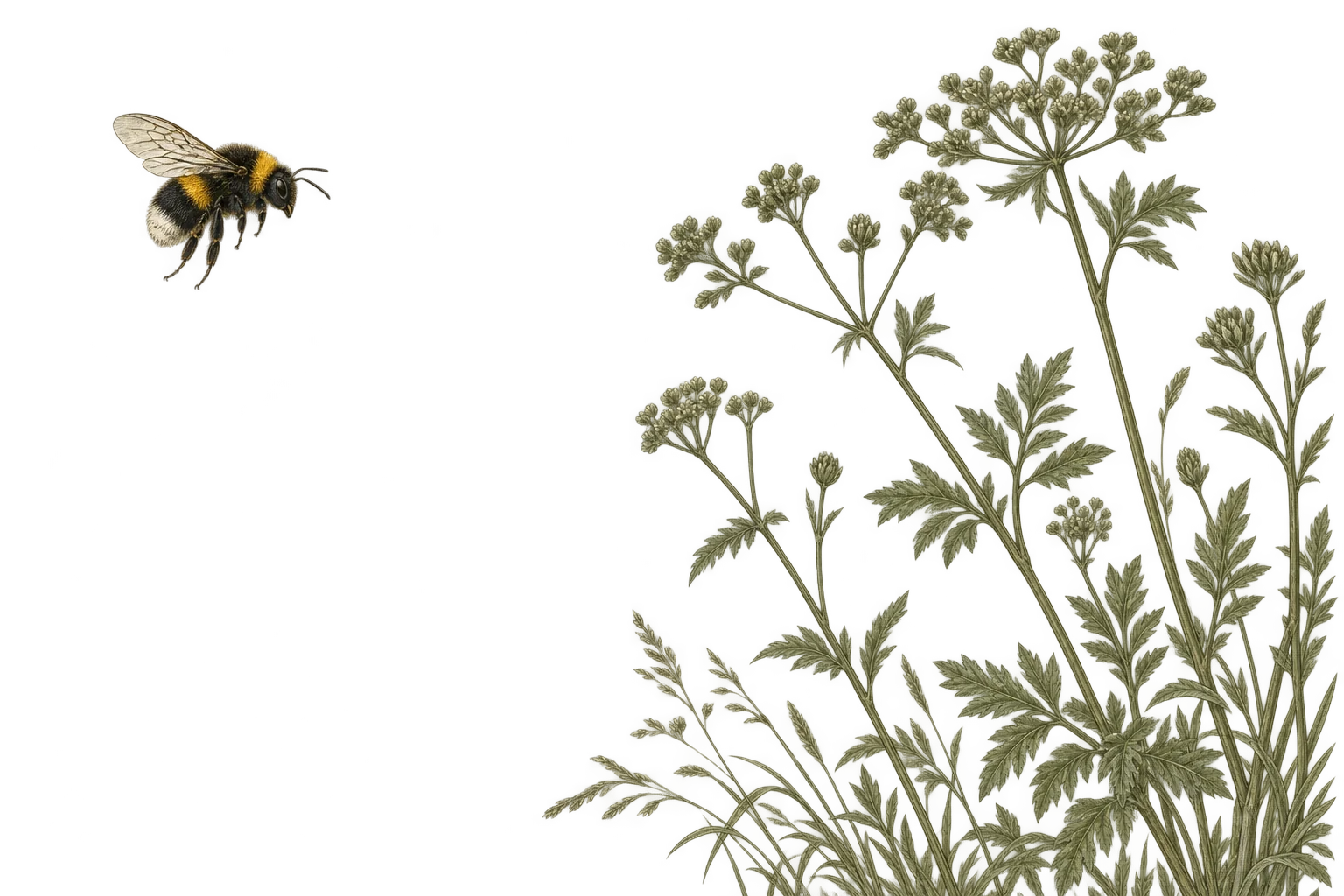
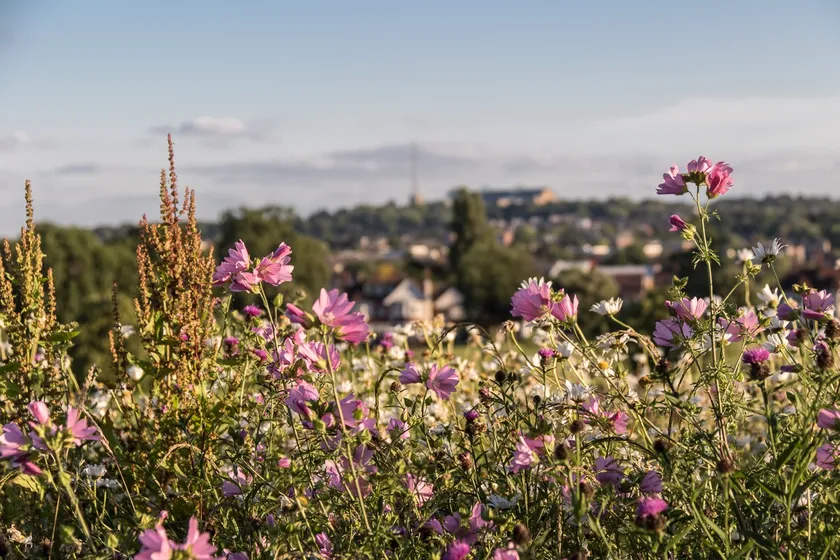
Native plants can feed local caterpillars and other wildlife, while non-native flowers may fill seasonal gaps. Choose plants by the job they do and the space they need.
4 min read
Nature, a little nearer
Discover the birds, creatures and quiet wonders of your garden.
Every garden has a story.
Native plants can feed local caterpillars and other wildlife, while non-native flowers may fill seasonal gaps. Choose plants by the job they do and the space they need.
4 min read
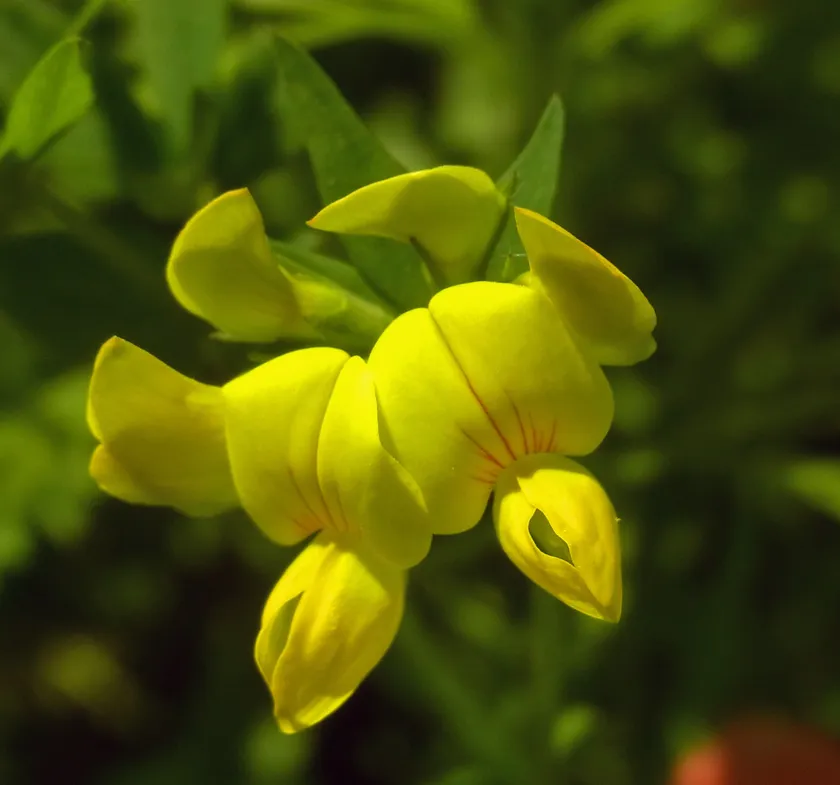
Nectar flowers feed adult butterflies, but caterpillars need different plants. Match a UK garden plant to a local butterfly and let it grow long enough to be used.
4 min read
Seasonal wildlife guide
UK · September–November
Pause seeds and peanuts through October. From November, food choices widen. Keep feeders clean and follow the seasonal guidance.
Read the autumn bird-feeding guide Browse all seasonal guides →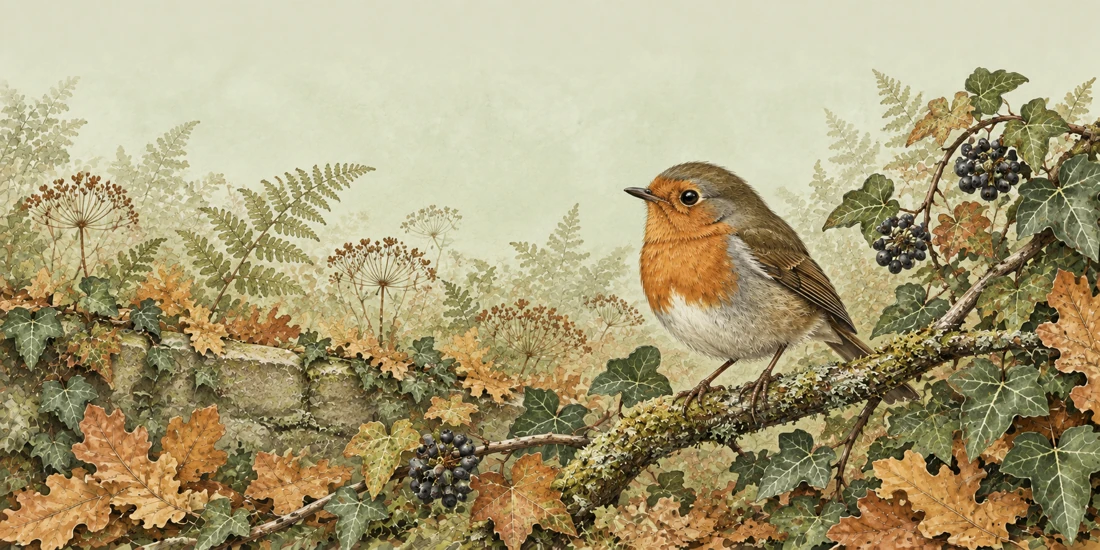
Seasonal wildlife guide
UK · Autumn
Build on the day. Move stored materials to a clear spot just before burning. Check carefully for wildlife before lighting.
Read the hedgehog safety guide Browse all seasonal guides →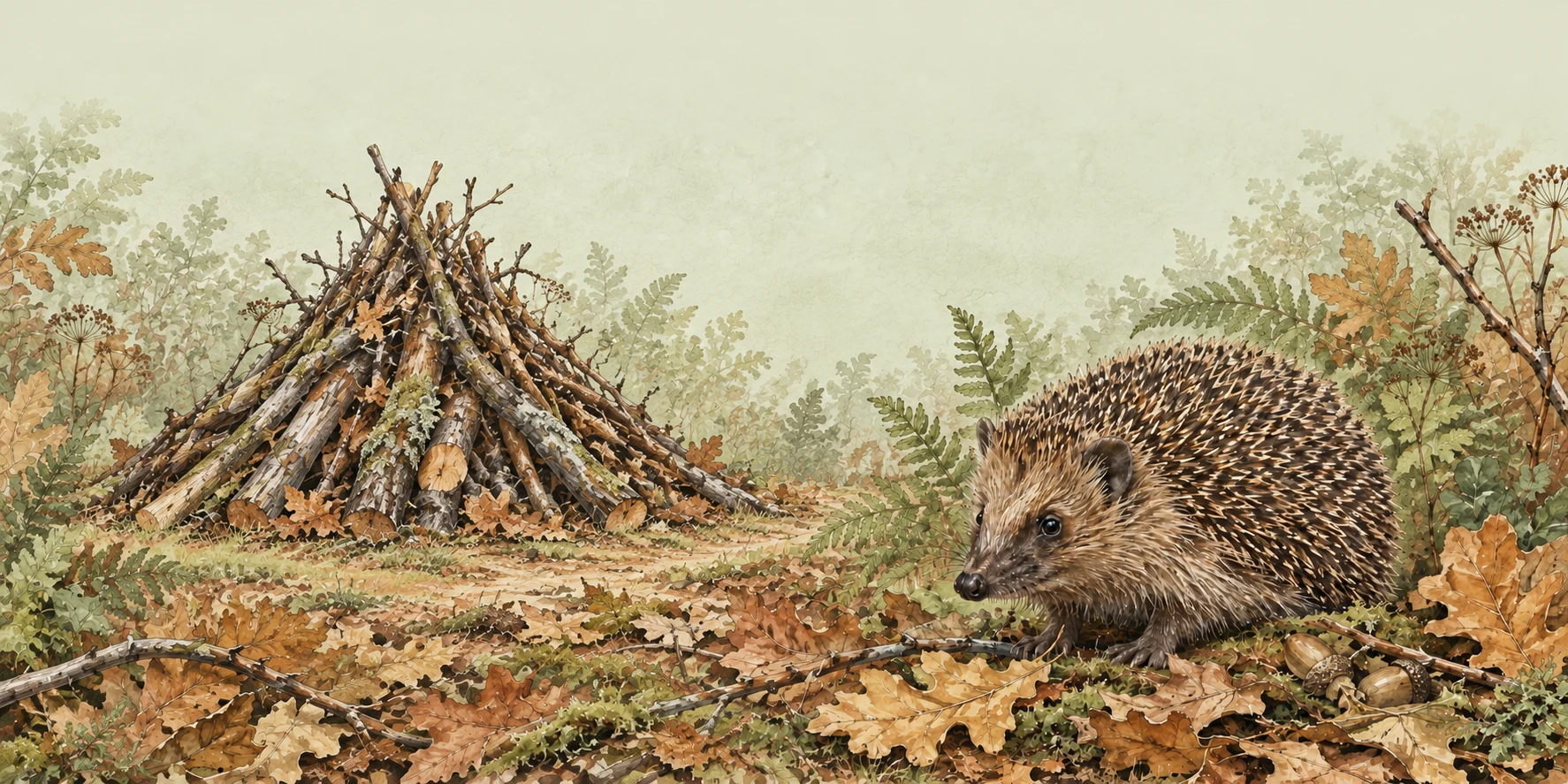
Seasonal wildlife guide
UK · Autumn and winter
Give hedgehogs another possible winter nest site. Put a house in a quiet, sheltered spot, leave dry leaves nearby and avoid disturbing it if occupied.
Read the hedgehog-house guide Browse all seasonal guides →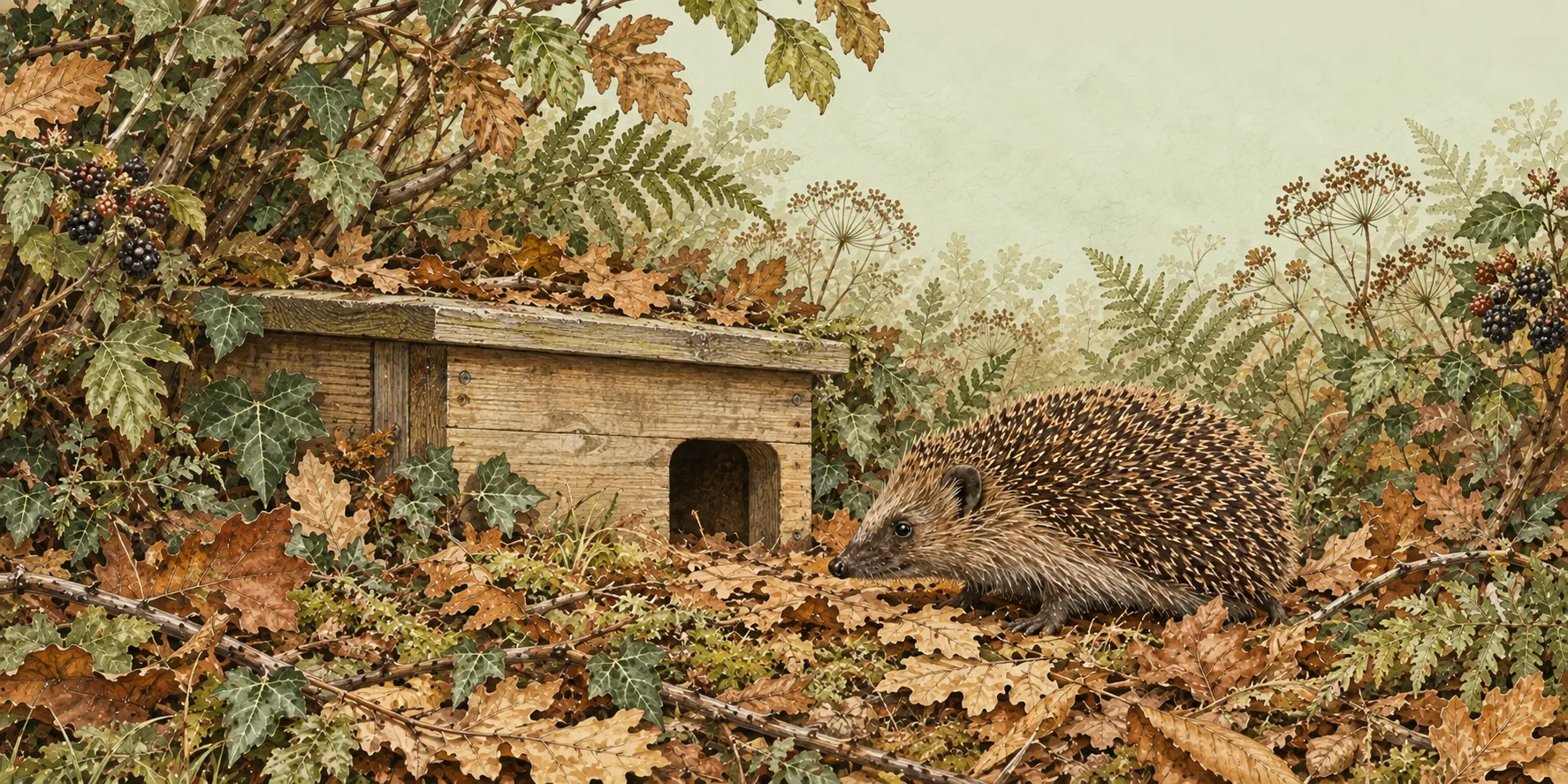
Seasonal wildlife guide
UK · Spring and summer
In UK gardens, pause seeds and peanuts from May through October. Offer suitable food in small amounts, keep water fresh and follow local guidance.
Read the spring and summer feeding guide Browse all seasonal guides →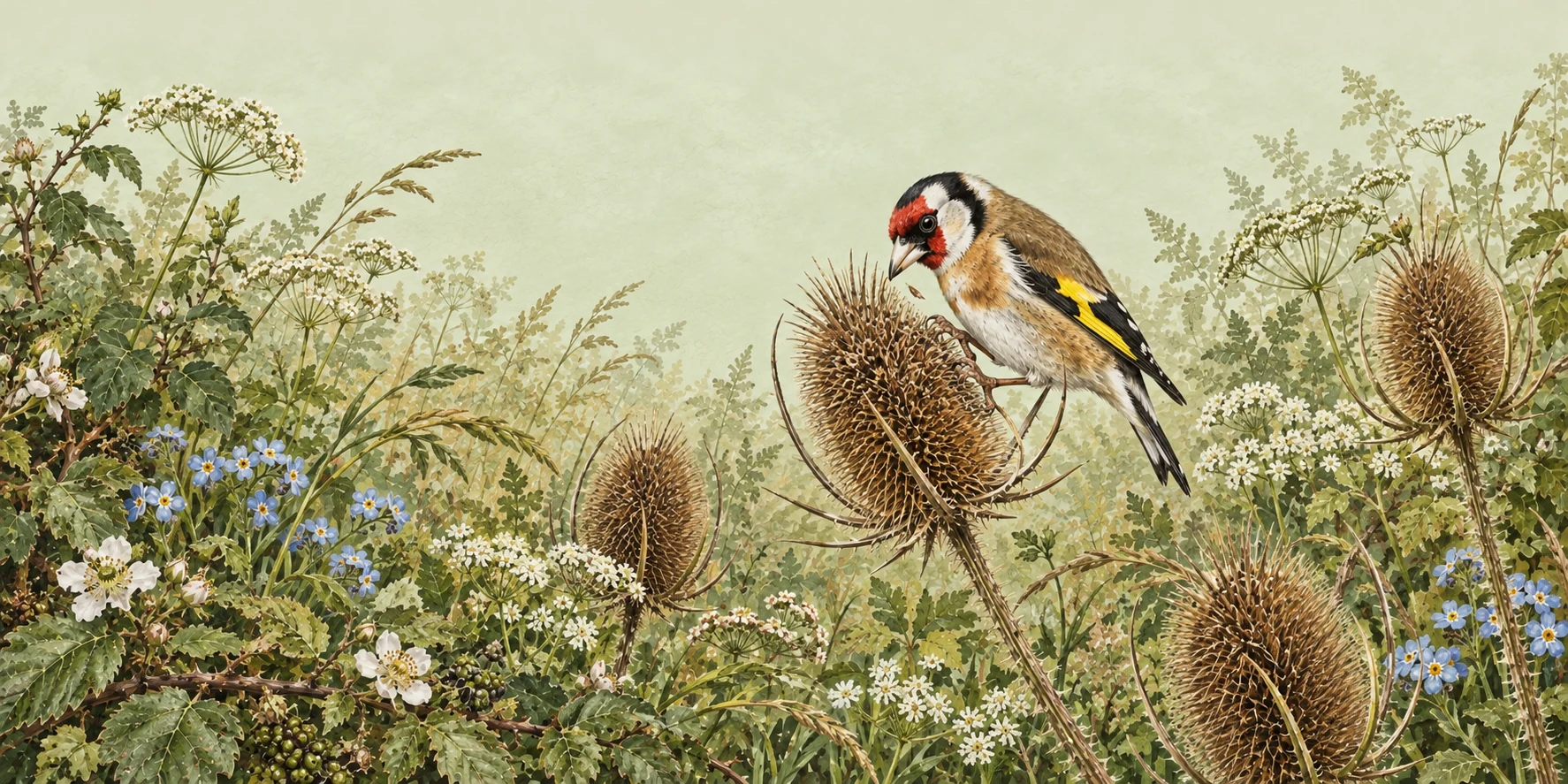
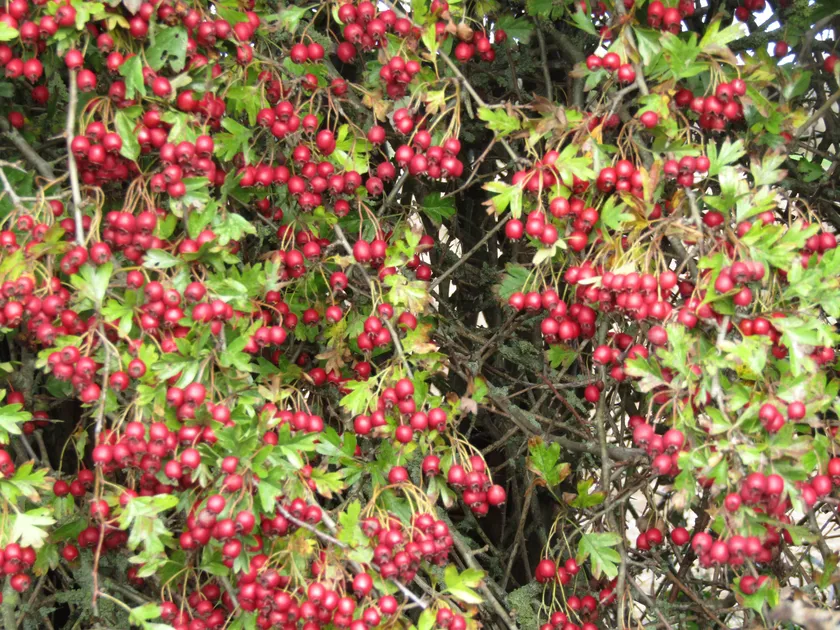
Hawthorn, guelder rose, holly and mature ivy offer fruit and cover at different times. Choose by garden space, soil and berrying habits, then let the crop remain for birds.
4 min read
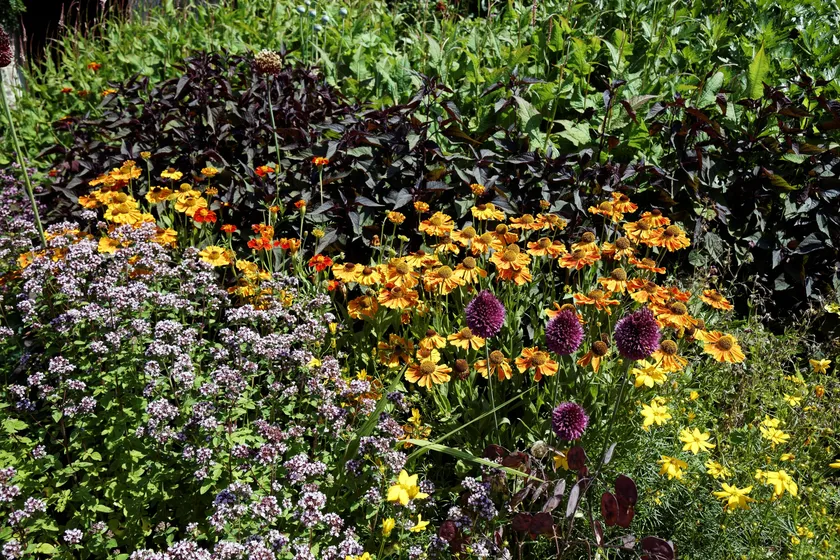
Find the quiet weeks in your garden, then choose flowers for spring, summer and autumn. A practical UK planting plan for bees, hoverflies and other pollinators.
4 min read
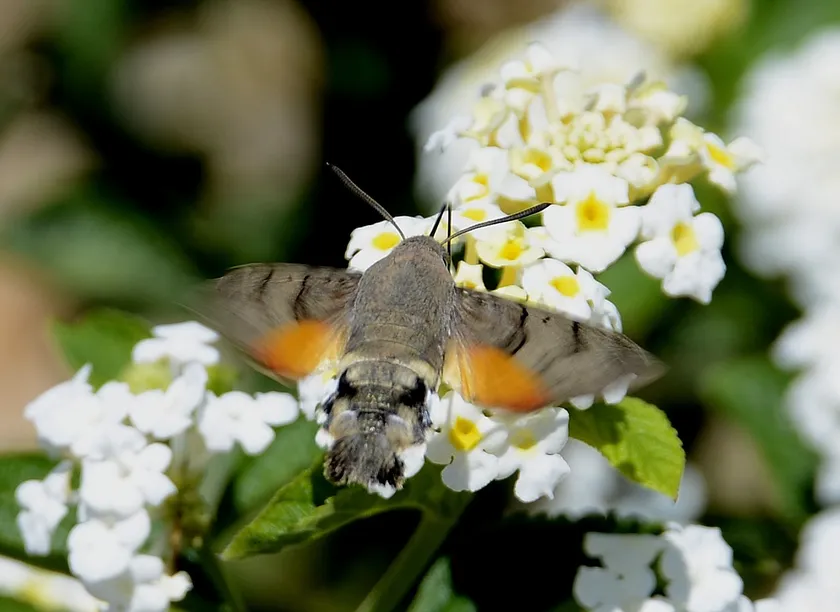
Give moths more than a flower to visit. Make room for caterpillar food plants, winter shelter and darker evenings in a UK garden.
5 min read
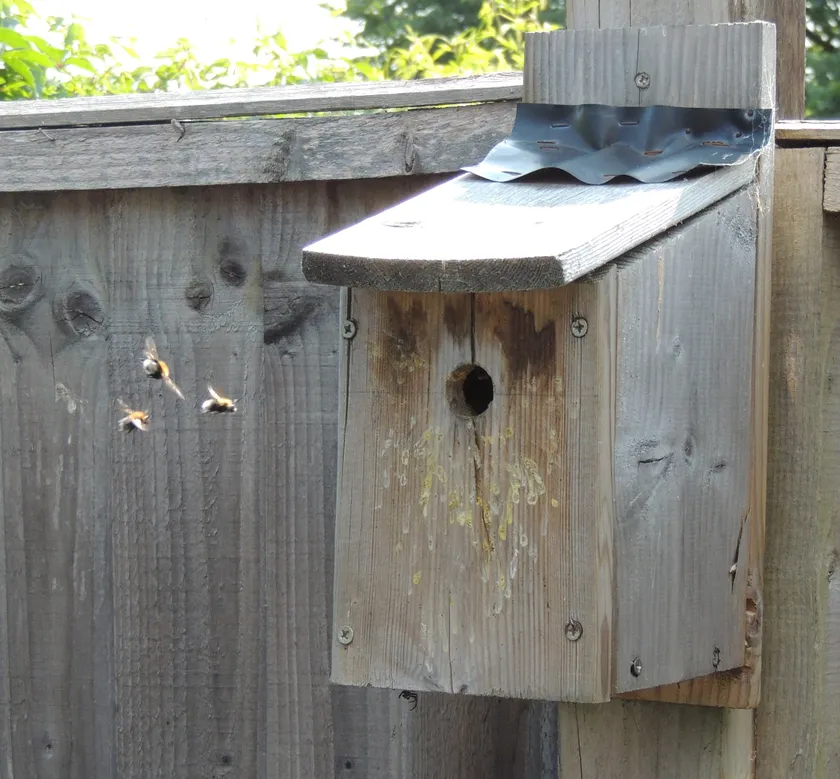
Found bumblebees nesting close to home? Give the entrance space, make a temporary route for people and pets, and know when a sting needs medical help.
4 min read
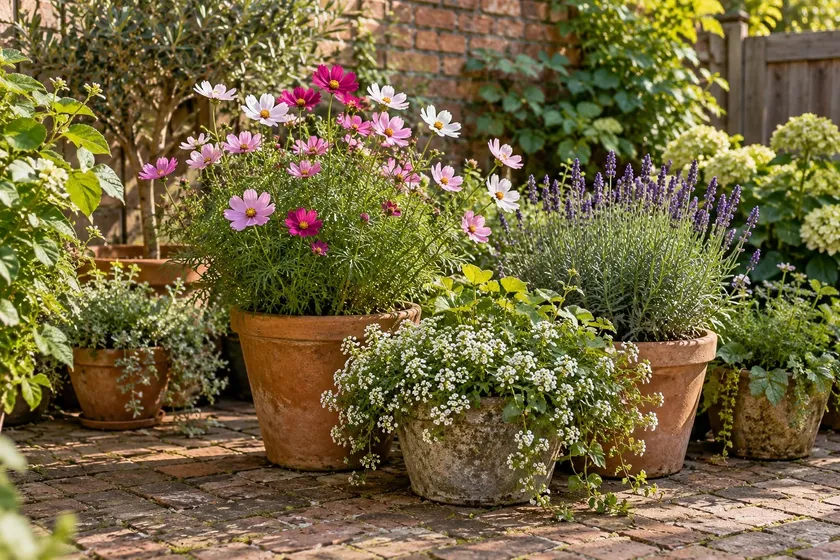
Even a small patio can offer flowers to visiting insects. Choose pots that suit your light, spread flowers across the seasons, and keep the plants healthy.
4 min read
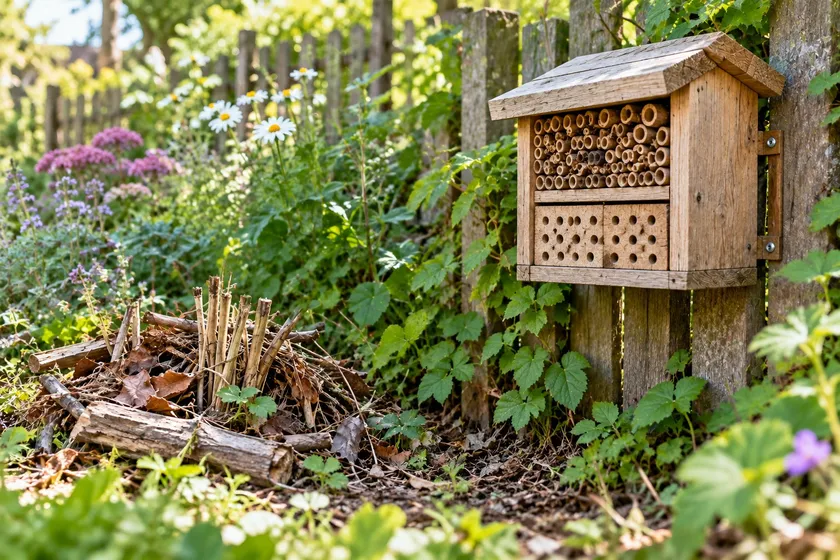
A bug hotel can offer shelter or nesting space, but its design and upkeep matter. Choose a small shelter or bee nesting block that fits your UK garden.
4 min read
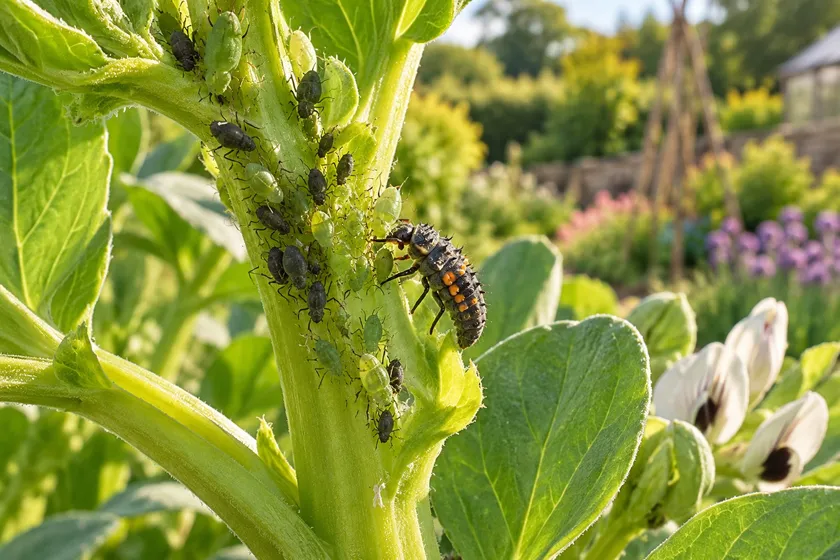
Ladybirds, hoverfly larvae and lacewing larvae all hunt aphids. Learn what to look for on a UK garden plant and when to let predators work.
4 min read
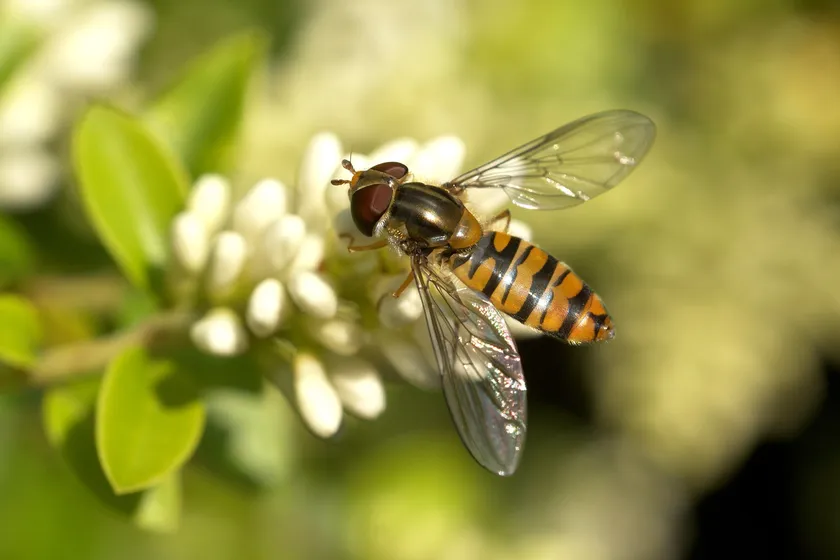
Large eyes and short antennae often point to a hoverfly; longer antennae point to a bee or wasp. Use several visible clues to identify a striped UK garden visitor safely.
3 min read
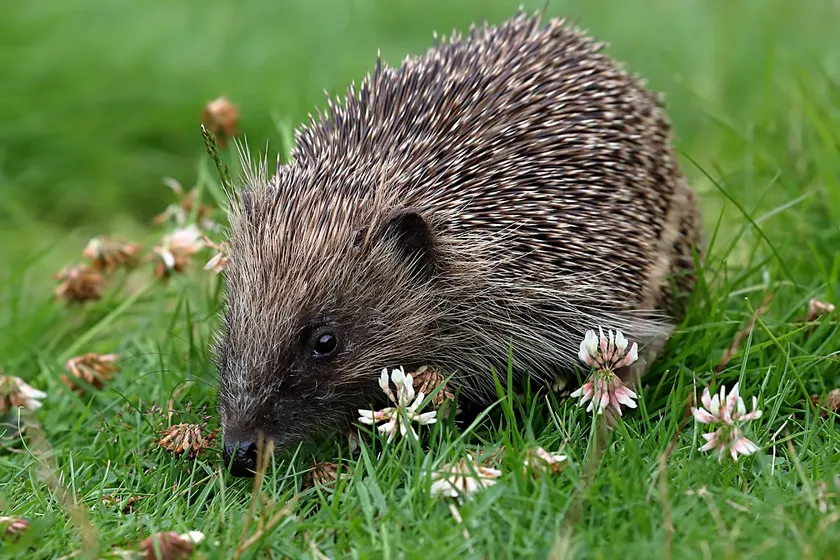
A UK hedgehog seen in daylight may need urgent help, but a healthy mother can be briefly active. Check the warning signs, know when to watch, and follow BHPS first aid.
4 min read
Explore the collections
From garden visitors to the animals we live with, find the collection that catches your eye.
Good things grow together.