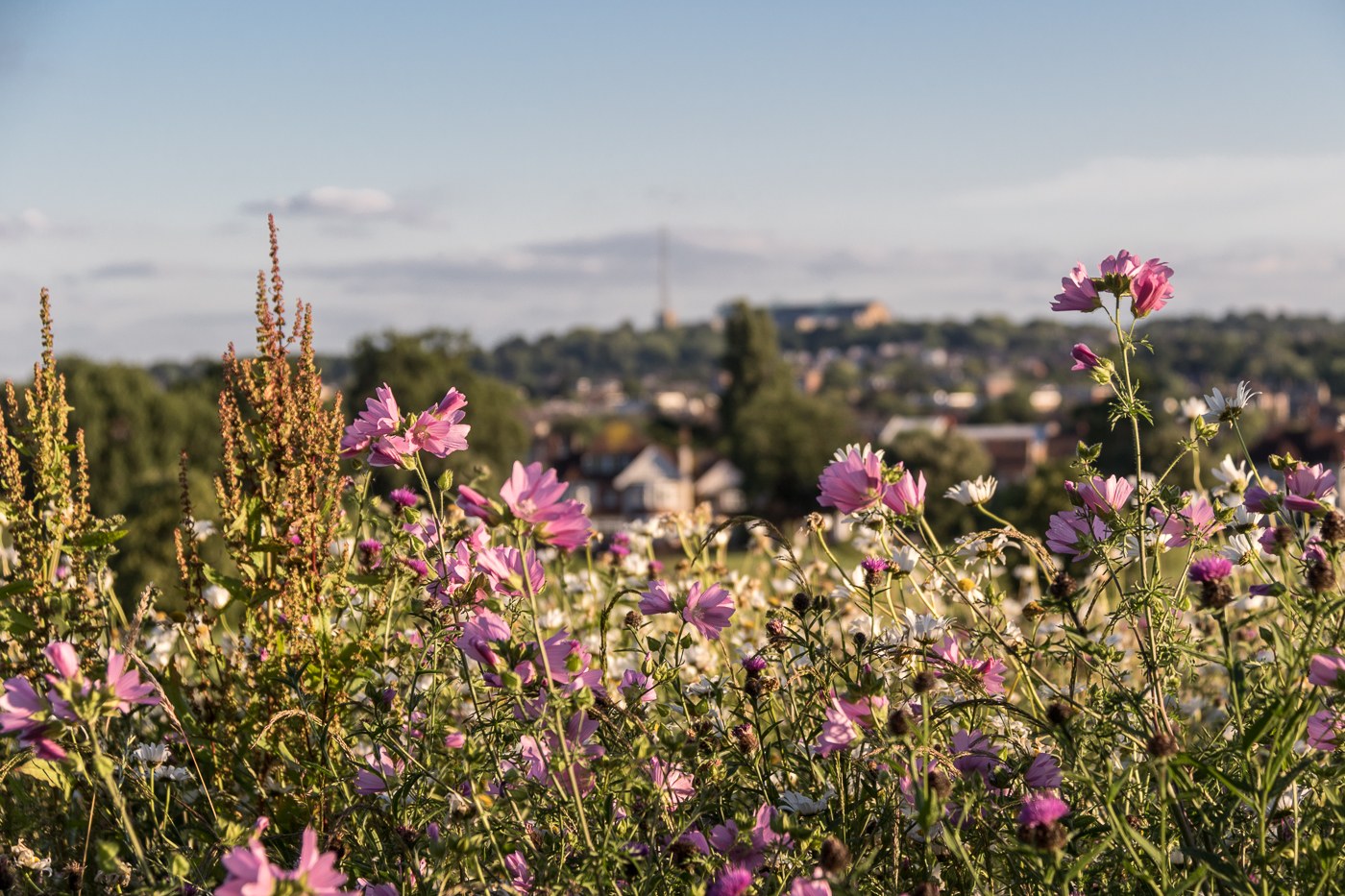

A wildlife garden need not be made entirely of UK native plants. A lavender border can be busy with bees in July, yet a local caterpillar may still need nettles or a particular grass to grow. Look at what each plant provides: nectar, leaves for larvae, shelter, fruit, or some combination. Start with what is already working, then add a missing food plant or flowering season.
Native plants matter beyond the flowers
The RHS Plants for Bugs research found that mixed plantings can support garden invertebrates, with a bias towards British natives and dense vegetation especially useful for some groups. Its findings for flower-visiting insects differ from those for insects living on leaves or the ground. A bee taking nectar from a non-native flower is real wildlife value, but that observation alone does not tell you whether a caterpillar can eat its leaves.
Butterfly and moth caterpillars often have particular food plants. Butterfly Conservation's caterpillar guide recommends native hedging, grasses and familiar plants such as nettles, bramble and bedstraw where they fit. It also notes exceptions: some caterpillars can use related garden plants or even exotics. Match a plant to a local species rather than assuming every native helps every insect.
Keep useful plants you already have
Before replacing a border, look through it in different seasons. Is mature ivy flowering in autumn? Are birds using a shrub for cover? Do bees visit the herbs when they flower? Is there a sunny patch of nettles or an area of longer grass that could stay? An established plant can have more value today than a new sapling that will take years to fill the same space.
For a small first change, add a locally appropriate native plant with a clear role. Native honeysuckle offers flowers and structure; a sunny clump of nettles can feed caterpillars; and longer grass can support species that use it as food or shelter. Check the plant's mature size, moisture and light needs. Do not plant a vigorous climber into a place where you will have to strip it back before it can flower.
Give every new plant a job
Write one line for each proposed addition: what wildlife can use it, at which life stage, in which season, and whether it can thrive in that position. If the answer is only “it looks wildlife friendly”, check a reliable plant profile before buying. Keep a useful non-native plant if it is already filling a seasonal gap.
“The more flowers a garden can offer, the greater the number of bees, hoverflies and other pollinating insects it will attract.”
Where non-native plants earn their place
A non-native plant with accessible flowers can extend nectar or pollen into a thin part of the year. The RHS study found a positive role for near-native and more distant plants, including winter cover and flowers for pollinators. Keep those benefits in view when deciding whether to remove a healthy garden plant. A blanket clearance would lose structure and food while replacements establish.
The balance changes when a plant spreads into surrounding habitat. The RHS guidance on potentially invasive plants explains why an ornamental sold for gardens may still cause problems outside them. Check the exact species, its local status and how it spreads before planting, especially near woodland, heath or water. Avoid moving garden waste or unwanted plants into the countryside.
Build a garden in layers
Use the space you have: a shrub or climber for cover, flowering plants across spring to autumn, and a patch that is allowed to grow rather than being cut every week. Leave some stems and leaf litter where they will not cause a problem. The RHS research points to dense planting for many invertebrates, with a few bare soil patches useful to others; it is not a call to fill every inch with the same species.
If an existing border has lavender or other non-native flowers that insects visit, keep the useful plants and add a native host plant in a suitable gap. Then watch for more than flower visits: nibbled leaves, caterpillars, nesting activity and winter shelter all tell a different part of the story. Next season, keep the plants that were used and add to the parts of the garden that stayed bare or flowerless.
Sources & further reading
- Royal Horticultural Society. “Plants for Bugs”, undated. Checked 1 October 2026 — Read source
- Butterfly Conservation. “Caterpillar foodplants”, undated. Checked 1 October 2026 — Read source
- Royal Horticultural Society. “Potentially invasive plants”, undated. Checked 1 October 2026 — Read source